Amma Massage
Claire Feldkamp
4/3/20263 min read
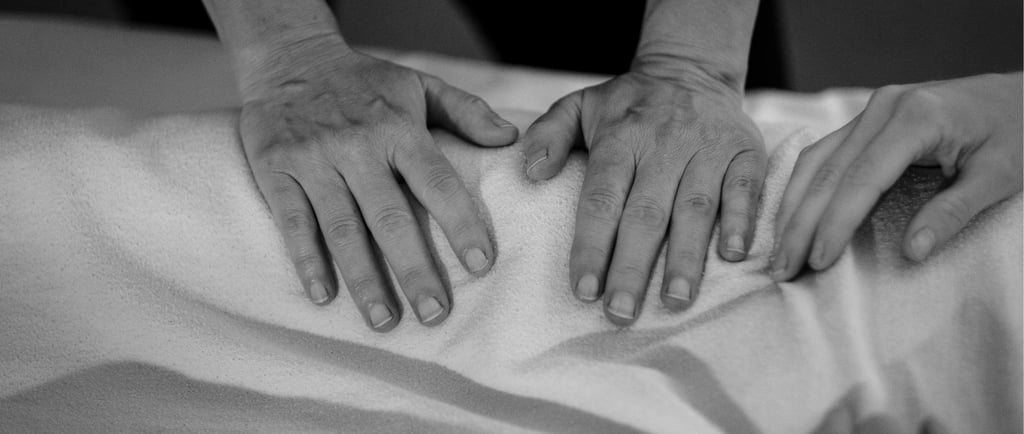
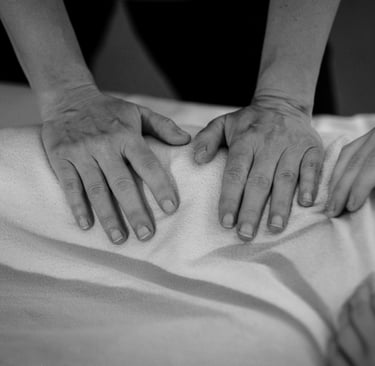
Amma massage is a traditional form of therapeutic bodywork with deep historical roots in East Asian medicine. Using rhythmic techniques of pressing, kneading, percussion, and stretching, it is designed to stimulate circulation, support the movement of energy through the body, and encourage a sense of overall balance.
Unlike oil-based massage, amma is traditionally performed through clothing and is often given in a seated position. There is something immediately accessible about it—both practical and quietly direct.
Beyond its physical effects, structured touch therapies such as amma are increasingly understood to influence the nervous system in measurable ways.
The History of Amma Massage
The origins of amma massage can be traced back over a thousand years to ancient China. Early medical texts, including the Huangdi Neijing (The Yellow Emperor’s Inner Classic), describe therapeutic methods involving pressing (an) and rubbing (mo). These techniques formed part of a wider system of medicine that understood health as the balanced flow of qi throughout the body (Lu and Needham 2002).
These practices were later introduced to Japan, where they evolved into a distinct system known as amma (Fukaya, 1974). Over time, the work became more structured, with an emphasis on rhythm, sequence, and sensitivity through the hands. During the Edo period (1603–1868), amma developed into a recognised profession and became closely associated with blind practitioners. Many were trained through formal guild systems, and their reliance on touch led to the refinement of highly skilled and perceptive techniques (Rath 2012). Although forms of bodywork have continued to evolve, the essence of amma remains unchanged—steady, rhythmic pressure applied with attention and intent. Its influence can still be seen in modern practices such as shiatsu.
A Regulated Rhythic Touch
There is already a substantial body of research showing that massage can influence the autonomic nervous system - shifting the body away from a state of activation towards one of rest and regulation (Field, 2014; Field, 2016; Harvard Health Publishing, 2020). However, what feels particularly relevant with amma is not simply that it is massage, but how it is delivered.
Amma is characterised by consistent, moderate pressure applied in a rhythmic and structured way. This combination appears to be important. Studies suggest that moderate-pressure touch is more effective than light touch in reducing cortisol and supporting the production of serotonin and dopamine (Field, 2014; Field, 2016). Rather than being stimulating or unpredictable, this level of pressure provides clear, unambiguous sensory input.
Equally significant is the rhythm. The repeated, patterned nature of amma techniques creates a form of predictability that the nervous system can begin to anticipate. Instead of constantly responding to new or changing stimuli, the body is given something steady to organise around. This may help reduce the load on systems involved in processing sensory information, allowing a shift towards a more settled state.
There is also evidence that touch-based therapies can stimulate oxytocin release (Uvnäs-Moberg, Handlin and Petersson, 2015), which is associated with feelings of safety and reduced threat perception. In the context of amma, this is not just about touch itself, but about touch that is consistent, contained, and non-intrusive.
For some people, this reduces the intensity of sensory input and the potential for overwhelm, while still allowing the benefits of structured pressure to be felt. Taken together, these elements - moderate pressure, predictable rhythm, and reduced sensory variability - may help explain why amma can feel particularly regulating for neurodivergent bodies. It is not simply that it activates the parasympathetic nervous system, but that it does so in a way that is steady, legible, and easier for the body to process. This is what one of my neurodivergent clients told me about recieving Amma:
“Amma is a beautiful, grounding massage. It doesn't sound fancy, but I trust Claire's skill, experience and intuition, and she suggested it to me when I asked if she could ‘put me back together again’. The methodical, solid, rhythmic pressure was exactly what I needed. My body responded to the sense of safety and reassurance. I started to feel anchored and whole again. I was lying face down, feeling like I was being held by the universe, suspended among the stars. The next week I asked for the same again!”
I continue to find that there is something deeply reassuring about this kind of work. It doesn’t require anything elaborate - just consistency, attention, and a willingness to meet the body where it is.
What I return to, again and again, is the simplicity of it. Rhythm. Pressure. Presence.
Nothing added, nothing forced—just a conversation through touch that the body already understands. And sometimes, that is enough to shift something in a way that words or effort cannot.
Opening Hours
Wednesday 10am to 7pm
Thursday 10am to 7pm
Friday 10am to 7pm
Saturdays by appointment
Areas I serve
Macclesfield
Poynton
Stockport
Wilmslow
Alderley Edge
© Claire Feldkamp 2026 |Terms & Conditions | Privacy Policy | Sitemap